— Chapter 1: The Union Walks OutSomewhere in my brain, the Amalgamated Union of Dopamine Workers looked at each other one day and said: "Bugger it. We don't feel like turning up any more." No arbitration. No tribunal. They simply packed up, took their drugs with them, and never came back.
A field guide for your worst day
DON'T PANIC
(in large, friendly letters — because that's how this sort of thing should be delivered)
What I wish someone had handed me the day I was diagnosed with Parkinson's.
A taste of it
Honest about the hard parts. Funny wherever I could manage it.
— Chapter 7: Be Honest With YourselfSurrender as in: stop fighting what's real long enough to actually see it. Because until you can see it clearly, you cannot plan around it.
— Chapter 10: A Final Word From a Bench in PolandYou will be okay. Hold on. Trust yourself. Ask for help. And when life throws away the itinerary and sends you in a completely different direction — don't panic. Some of the best stories begin exactly that way.
Who it's for
If you've just heard the words, this is for you
It is not a medical textbook, and I am very much not a doctor. I'm the bloke on the bench beside you — eight years in, telling you the truth.
Just diagnosed
For the horror day and the strange weeks after it. What it actually feels like, the first three things to do — and why none of them involve a search engine at 2am.
The people who love them
Husbands, wives, sons who drive you to hospital, mums who answer the phone. What helps, what doesn't, and why asking for help is the strongest move on the board.
The already-wobbly
For those further down the road: the pump, the airports, the falls, the comebacks — and proof from one of the first Australians on the new 24-hour infusion that the story isn't over.
About Craig
The bloke on the bench
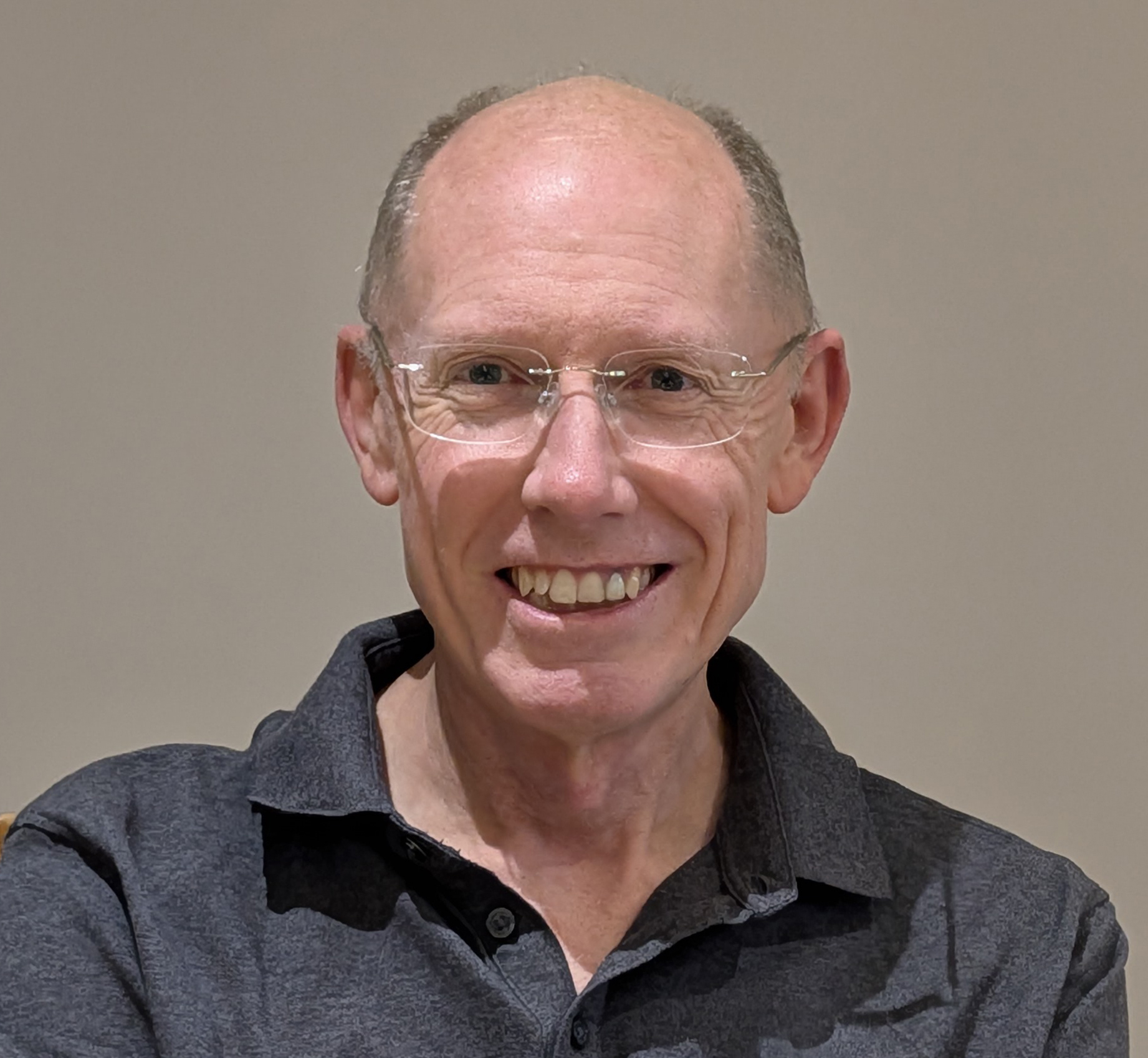
Craig is a 60-year-old Australian — former pilot, photographer of forty years, and reluctant expert in living with Parkinson's disease. Diagnosed at 53, three days after his birthday, he spent years doing most things the hard way. Which is precisely why he wrote this book: so you don't have to.
Eight months after starting a treatment that gave him his life back, he travelled solo across the world — surviving airports, German trains, a fall on the Warsaw stairs, and one very angry Polish lady — to sit on a park bench in southern Poland, where this book found its ending.
He was there too. And you will be okay.
Follow along
Wobble & Shake — out and about
Stories, travel tests, free excerpts from the book, and proof that life keeps going — posted as they happen. Come and join us.